
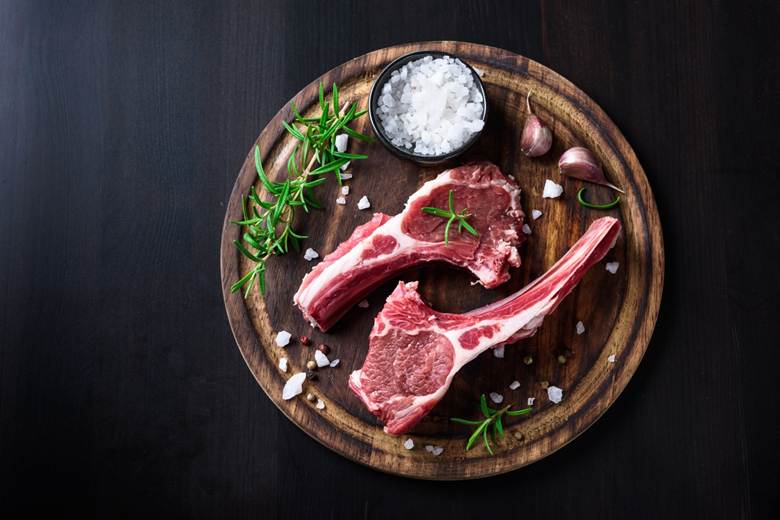
When working with Superior Farms lamb, understanding the different cuts is what transforms cooking from guesswork into a more confident, consistent process. Each cut of lamb has its own texture, fat content, and ideal cooking method, making it easier to match the right cut to the right recipe.
Lamb has distinct primal cuts like shoulder, rack, loin, and leg, each suited to different techniques. Knowing how to use them effectively improves flavor and ensures better results across a wide range of everyday and occasion-based meals.
Why Understanding Cuts Matters
Not all lamb cuts behave the same way during cooking. Some are naturally tender and cook quickly, while others benefit from slow, gradual heat to break down connective tissue.
Key factors that define each cut:
- Tenderness – Determines whether it should be cooked quickly or slowly
- Fat content – Affects flavor and moisture
- Structure – Influences slicing, shredding, or serving style
- Cooking method compatibility – Helps avoid overcooking or toughness
Choosing the right cut ensures that both flavor and texture align with the intended dish.
Lamb Shoulder: Rich and Perfect for Slow Cooking
The shoulder is one of the most flavorful cuts of lamb, thanks to its higher fat content and connective tissue. While it may be tougher initially, slow cooking transforms it into tender, pull-apart meat.
Best uses for shoulder:
- Slow-cooked stews
- Braised dishes
- Shredded lamb for wraps or bowls
Why it works:
- Breaks down beautifully over time
- Develops deep, layered flavor
- Ideal for hands-off cooking
For recipes that require long cooking times and bold flavor, shoulder is often the best choice.
Lamb Rack: Tender and Presentation-Ready
The rack is one of the most premium cuts, known for its tenderness and visual appeal. Often served as a centerpiece dish, it cooks relatively quickly compared to tougher cuts.
Best cooking methods:
- Roasting
- Oven finishing after searing
What makes it stand out:
- Naturally tender texture
- Even cooking throughout
- Elegant presentation for gatherings
This cut is ideal when both flavor and presentation are equally important.
Lamb Loin: Quick, Lean, and Versatile
The loin is a tender cut that works well for fast cooking methods. It is leaner than some other cuts but still delivers a satisfying flavor.
Common uses:
- Loin chops
- Pan-seared dishes
- Grilled preparations
Why choose loin:
- Cooks quickly
- Easy to portion
- Suitable for weeknight meals
Because of its tenderness, the loin is best cooked over high heat for short periods.
Lamb Leg: Balanced and Adaptable
The leg of lamb is one of the most versatile cuts, offering a balance between tenderness and flavor. It can be cooked whole or broken down into smaller portions.
Ways to use a lamb leg:
- Roasted for family-style meals
- Sliced for sandwiches or wraps
- Marinated and grilled
Key benefits:
- Works for both large and small servings
- Holds seasoning well
- Suitable for multiple cooking methods
This cut is often chosen when flexibility is needed in both preparation and serving.
Matching Cuts to Cooking Methods
Understanding which cut pairs best with each cooking method simplifies the decision-making process in the kitchen.
Quick cooking methods (high heat):
- Loin
- Rack
Slow cooking methods (low heat over time):
- Shoulder
Versatile methods include both slow and moderate heat.
- Leg
This alignment helps ensure that each cut is used in a way that maximizes its potential.
Simple Recipe Pairing Ideas
Once familiar with the cuts, it becomes easier to match them with everyday recipes:
- Shoulder: Slow-cooked lamb for tacos or grain bowls
- Rack: Herb-crusted roast for gatherings
- Loin: Pan-seared chops with vegetables
- Leg: Roasted slices or grilled preparations
These pairings highlight how each cut naturally fits into specific meal styles.
Tips for Choosing the Right Cut
When selecting lamb for a recipe, a few practical considerations can make the process easier:
- Think about cooking time available
- Consider whether the dish needs quick preparation or slow development
- Choose based on serving style (whole, sliced, shredded)
- Match the cut to the equipment you plan to use
These small decisions help create better outcomes without adding complexity.
Making Lamb More Approachable
Understanding cuts removes much of the hesitation people feel when cooking lamb. Instead of viewing it as a single ingredient, it becomes a range of options suited to different needs.
Ways this knowledge helps in everyday cooking:
- Encourages trying new recipes
- Reduces the risk of overcooking or undercooking
- Makes meal planning more flexible
- Builds confidence across cooking methods
Final Thoughts
Each lamb cut offers something different, from the slow-cooked richness of the shoulder to the quick, tender results of the loin and rack. By learning how these cuts behave and what they work best for, it becomes much easier to approach lamb with clarity and confidence.
Rather than limiting lamb to occasional use, understanding its structure and versatility opens the door to more consistent, everyday cooking where the right cut makes all the difference in both flavor and experience.