
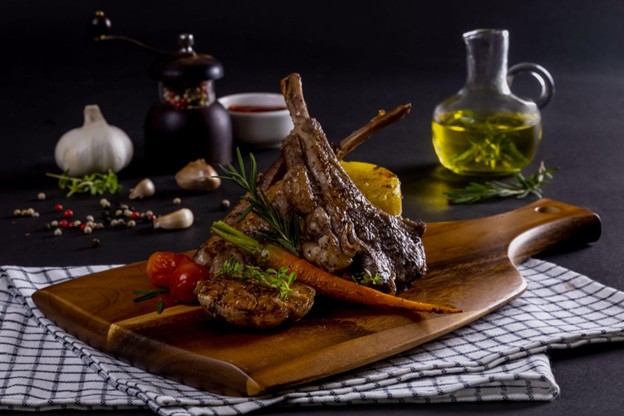
When it comes to versatility in the kitchen, Superior Farms lamb offers a unique balance of flavor, texture, and adaptability that fits seamlessly into both casual meals and more refined dishes. While lamb is often associated with special occasions, the reality is that it can be prepared in various simple ways using everyday cooking methods, making it just as suitable for weeknight dinners as it is for weekend gatherings.
Cooking lamb doesn’t require complicated techniques or professional-level skills. With the right approach, even the most basic kitchen setups can produce flavorful, satisfying results.
Why Lamb Works Across Cooking Methods
Lamb stands out because of its natural richness and tenderness, which respond well to different cooking styles. Whether exposed to high heat for quick searing or slow-cooked for deep flavor development, it maintains its character while adapting to the method used.
Some key reasons why lamb works so well across cooking styles include:
- Its natural fat content, which enhances flavor during cooking
- A variety of cuts, each suited to specific techniques
- The ability to pair with both bold spices and simple seasoning
- Consistent results across both quick and slow cooking methods
This flexibility makes lamb an ideal choice for anyone looking to experiment without overcomplicating the process.
Grilling: Bold Flavor with Minimal Effort
Grilling is one of the most popular ways to cook lamb, especially for cuts like chops, kebabs, or steaks. The high heat creates a flavorful crust while keeping the inside tender and juicy.
Simple grilled lamb chops idea:
- Season with olive oil, garlic, salt, and pepper
- Add herbs like rosemary or thyme
- Grill on high heat for 3–4 minutes per side
The result is a smoky, charred exterior with a rich, juicy center perfect for quick meals or outdoor gatherings.
Why grilling works:
- Enhances natural flavors
- Requires minimal prep
- Ideal for small, tender cuts
Roasting: Classic and Reliable
Roasting is a go-to method for larger cuts like leg or rack of lamb. It’s a hands-off approach that allows flavors to develop slowly while maintaining moisture.
Basic roasted lamb approach:
- Rub with garlic, herbs, olive oil, and seasoning
- Roast in a preheated oven at moderate heat
- Let it rest before slicing to retain juices
Roasting works particularly well when preparing meals for multiple people, offering both presentation and flavor.
Benefits of roasting:
- Even cooking throughout the cut
- Ideal for gatherings or family meals
- Enhances tenderness over time
Pan-Searing: Quick and Flavorful
For those looking for speed without sacrificing taste, pan-searing is an excellent option. Cuts like lamb loin chops or steaks are perfect for this method.
Quick pan-seared lamb method:
- Heat a heavy pan with a bit of oil
- Sear lamb for a few minutes on each side
- Finish with butter, garlic, and herbs
This method creates a rich crust while keeping the inside tender, making it ideal for weeknight cooking.
Why choose pan-searing:
- Fast and convenient
- Requires minimal ingredients
- Great for controlled cooking
Slow Cooking: Deep Flavor, Minimal Attention
Slow cooking transforms tougher cuts like shoulder into incredibly tender, flavorful dishes. It’s one of the easiest ways to cook lamb with minimal effort.
Simple slow-cooked lamb idea:
- Combine lamb with onions, garlic, broth, and spices
- Cook on low heat for several hours
- Let flavors develop naturally over time
The result is fall-apart tender meat that works well in a variety of dishes.
Best uses for slow-cooked lamb:
- Shredded fillings for wraps or bowls
- Hearty stews
- Comfort-style meals
Matching Methods to Occasions
One of the biggest advantages of cooking lamb is its ability to match different occasions effortlessly:
- Quick dinners: Pan-seared or grilled lamb
- Family meals: Roasted cuts
- Meal prep: Slow-cooked lamb for multiple uses
- Outdoor gatherings: Grilled kebabs or chops
This adaptability ensures that lamb isn’t limited to one type of meal or setting.
Simple Flavor Pairings That Always Work
Lamb pairs well with a wide range of ingredients, making it easy to customize dishes:
- Herbs: Rosemary, thyme, oregano
- Spices: Cumin, paprika, garlic
- Accompaniments: Yogurt sauces, roasted vegetables, grains
- Acidity: Lemon juice or vinegar to balance richness
These combinations allow for both traditional and modern interpretations without overcomplicating recipes.
Making Lamb Part of Everyday Cooking
Despite its reputation, lamb doesn’t have to be reserved for special occasions. With simple cooking techniques and accessible ingredients, it can become a regular part of everyday meals.
A few practical ways to incorporate lamb more often include the following:
- Preparing small portions for quick meals
- Using leftovers creatively in wraps or bowls
- Choosing cuts suited to your cooking style
- Keeping seasoning simple to highlight natural flavor
Final Thoughts
From grilling and roasting to pan-searing and slow cooking, lamb offers a level of versatility that fits nearly any cooking style or occasion. By understanding how each method enhances different cuts, it becomes easier to approach lamb with confidence rather than hesitation.
With straightforward techniques and a focus on flavor, lamb transitions from being an occasional centerpiece to a reliable everyday option, bringing depth and variety to meals without adding complexity.